- Avoid common purchase mistakes! Teach you how to choose a safe and functional PVC hot water bottle
- Winter supplies inventory: Why are PVC hot water bottles still hard to be replaced?
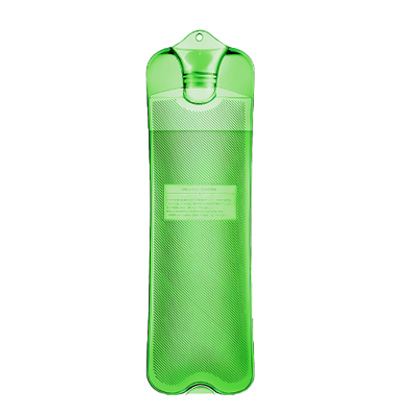
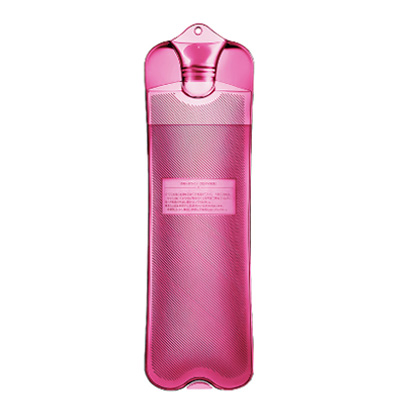
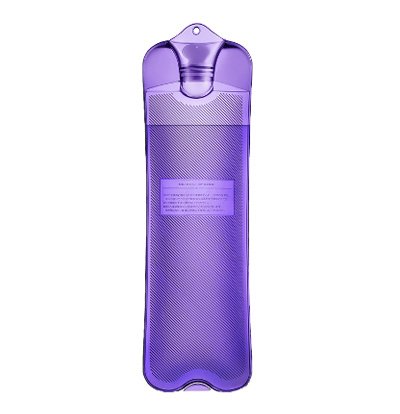
- The long PVC hot water bottle is not only an excellent heating device but also a perfect partner for hot compresses.
- Boiling water accelerates the aging and cracking of PVC hot water bottles?
- Proper cleaning and maintenance of PVC hot water bottles can help you say goodbye to scale buildup, hardening and leakage.

- Jangjiang +86 180 6855 6003
- Miss Sheng +86 137 0612 6383
- Address:4-18, Yangtze River Delta Mould City, High-tech Zone, Wujin District, Changzhou
If you want the heat preservation effect of the PVC hot water bottle to be better, you can first warm the inner wall with hot water before filling it with water. This will preheat the bag and reduce the instantaneous temperature difference loss when filling with hot water. When filling the water, try to remove the internal air as much as possible to allow the hot water to fill the bag. This will help slow down the rate of heat loss.
OK. Based on your existing knowledge, I will now provide you with a few more practical and detailed tips to further enhance the retention time of the PVC hot water bag:
Advanced preheating method: The preheating you mentioned is crucial. You can take it a step further: Before filling the bag with the final hot water, rinse the inner wall with a small amount (about 1/5 of the bag volume) of boiling water and then pour it away. This "instant high-temperature shock" can more effectively raise the base temperature of the PVC material and reduce the heat loss of the main hot water that is "absorbed".
Balancing water volume and water temperature: Don't aim for "100% full boiling hot water". Fill the bag with water at 80-90°C up to 90-95% full. Leaving a little space is convenient for expelling air and also avoids excessive tension of the bag due to thermal expansion and excessive heat transfer to the liquid water. Overheated water will accelerate PVC aging and is actually not conducive to long-term insulation.
"Sealing" and "Positioning" method:
After tightening the lid, you can invert the hot water bag for a few seconds to check for leaks. This action also utilizes water pressure to further ensure a tight seal at the sealing ring and prevent heat loss through the bottle mouth gap.
When using, try to place the wide side (the largest area) of the hot water bag against your body or the area that needs heating, rather than the side or a local contact. This way, the heat dissipation area is larger, and the body feels warmer, and it also avoids local overheating.
Creating an "insulation micro-environment": Before placing the hot water bag in the bed or covering with a blanket, fold or stack the blanket into a "cavity" first, and then place the hot water bag in it. This can more effectively utilize the static air layer formed by the fabric to wrap it, rather than simply laying it flat under the blanket.
Auxiliary heat storage method: Next to the hot water bag (not in direct contact), you can place a wrapped warm baby (heat patch) with a towel. The warm baby can provide a continuous low-power heat source to compensate for the heat loss in the environment, which is equivalent to adding an "insulation layer" for the "small environment" of the hot water bag, significantly extending the overall warmth duration.
When using it, put on a special thick fleece cover for the hot water bag. This not only prevents burns but also creates a layer of still air, providing excellent insulation. When not in use, wrap it with a thick towel or a small blanket to slow down heat loss.
Also, be careful not to place the hot water bag on surfaces with high heat conductivity such as metal or stone. Instead, place it on insulating materials like blankets or quilts. By using these simple methods, you can keep warmth with you for a longer time without having to raise the water temperature.
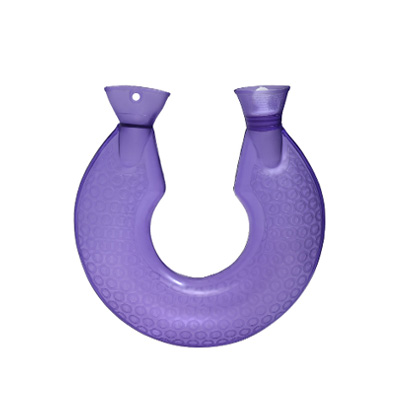
Changzhou Yuefeng Plastic Products Co., Ltd. specializes in the production of hot water bottle, PVC hot water bottle, hand warm hot water bottle, cold water sack, insert hot water bottle,cervical spine hot water bag, plush hot water bottle.
- Winter supplies inventory: Why are PVC hot water bottles still hard to be replaced?
- Avoid common purchase mistakes! Teach you how to choose a safe and functional PVC hot wate
- The long PVC hot water bottle is not only an excellent heating device but also a perfect p
- Boiling water accelerates the aging and cracking of PVC hot water bottles?
- Proper cleaning and maintenance of PVC hot water bottles can help you say goodbye to scale
- Summer PVC Hot Water Bottle | Make Your PVC Hot Water Bottle No Longer Idle
- During the hottest days of summer, why did I choose a PVC hot water bottle?
- Say goodbye to air conditioning sickness! Injecting cold water can keep you cool for 3-4 h
- The hot water bottle is meticulously manufactured. Its high quality ensures safe and relia
- Changzhou Yuefeng Plastic Products Co., Ltd. would like to say: Choose the right hot water